February 5, 2024
Read Exodus 14-16, Psalm 36
When you are trying to do your best to be obedient to the Lord sometimes it requires us to make a choice, take an action, or start down a path. Other times we only need to be still. We must be careful to not take one situation in Scripture as a prescription for how we respond to everything we face in life. Just because God commanded someone in the Bible to do or not do something does not mean that it is the right means for us to follow. I think our natural tendency is to want to take action and put ourselves in the drivers seat. This doesn’t mean that it is always the right thing we should do. We find this to be the case here in Exodus 14. Moses led the Israelites out to the Red sea, and then they look behind them to see the Egyptian army flanking them from the rear. They cry out to Moses, “Was it because there were no graves in Egypt that you brought us to the desert to die?” v. 11. Moses’ response was this, “Do not be afraid. Stand firm and you will see the deliverance the LORD will bring you today. The Egyptians you see today you will never see again. 14 The LORD will fight for you; you need only to be still” vv. 13-14. God was about to do the one of the most miraculous works in the entire Old Testament by parting the Sea for Israel to walk through. Being still or waiting is not a neutral gear. Just like acting, it requires trusting in the Lord to not move. Waiting does not mean we are inactive either. When we wait on the Lord to act, we can be busy doing what he has already called us to do. What is God calling you to do… or not do right now? How can you exercise faith and confidence in the Lord while you wait or stand still.
It’s hard to imagine eating the same thing every day, even if it was one of your favorite foods. Exodus 16 is the narrative of God providing manna and quail to the Israelites daily. They were to collect it everyday but the Sabbath. The day before the Sabbath they could collect a double portion to sustain them for two days. These strict rules about how much they could take were not for nothing. They were to teach Israel to rely on the Lord daily for their needs. This is where Jesus connects himself to the Old Testament. He calls himself the bread of life (John 6:35) and when he teaches the disciples to pray (Matthew 6:9-15) he prayed “give us today our daily bread.”
What else do you see in these chapters? What words, phrases, or themes stand out to you? Add your thoughts below.


 Posted by John Weldon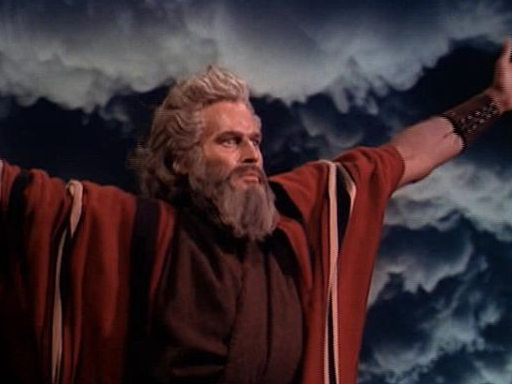
 DId God Really Say...